Wireframes
Oravend Lofi
Low-fidelity wireframes exploring initial concepts and information architecture
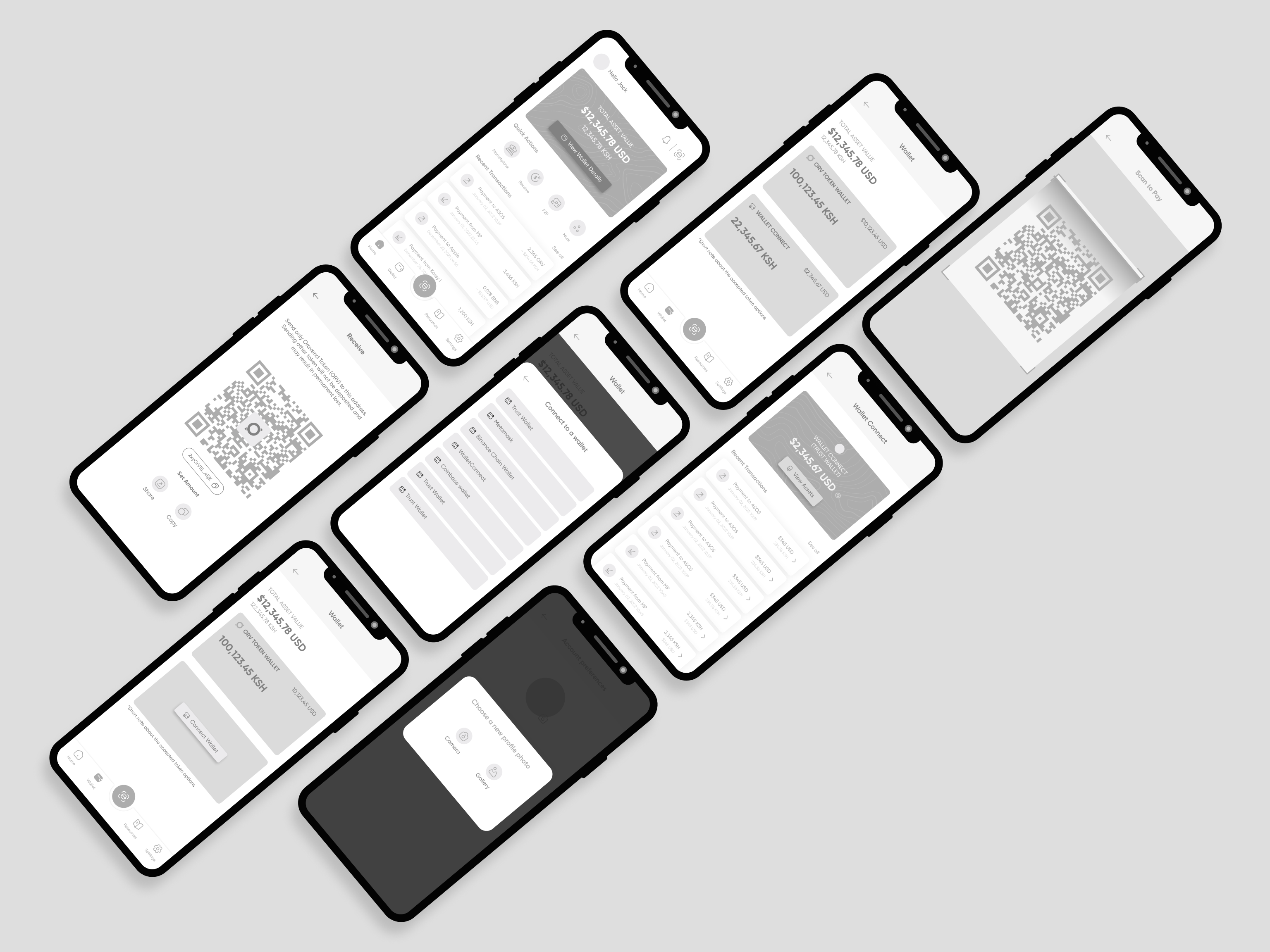
Oravend Lofi
Oravend is a fintech and blockchain-based payment ecosystem designed to make spending cryptocurrency as easy as paying with cash or cards. The platform enables users to pay merchants using crypto while merchants receive instant fiat settlement in their local currency, removing volatility, friction, and technical barriers that have slowed crypto adoption.
Project Overview: I worked on Oravend as a Junior Product Designer, supporting senior designers and engineers in simplifying complex crypto workflows and making the platform usable for non-technical, everyday users.
Despite growing interest in cryptocurrency, adoption for real-world payments remains low due to:
The core challenge was designing intuitive experiences for a technically complex system, while maintaining security, transparency, and speed.
Given the technical nature of the product, research began with:
This helped translate blockchain concepts into user-facing mental models.
I collaborated closely with:
Through workshops and design reviews, we aligned on:
Although direct user testing was limited at the early stage, we validated assumptions using:
Based on research insights, the design focused on simplicity, clarity, and trust-building for complex blockchain interactions.
I supported the design of a scan-to-pay QR flow:
This removed the need for exchanges, manual conversions, or trading knowledge.
To reduce confusion:
This helped users feel confident without understanding blockchain mechanics.
I assisted in structuring:
This reduced perceived risk for merchants new to crypto payments.
Working with engineers, we designed:
Simplified crypto payment flows made the platform more approachable for non-technical users.
Clear value displays and settlement information increased user confidence in crypto payments.
Designed user flows that enabled seamless crypto-to-fiat payments with instant merchant settlement.
Helped bridge the gap between blockchain infrastructure and real-world usability for mainstream adoption.
Low-fidelity wireframes exploring initial concepts and information architecture
Oravend Lofi
A selection of key screens showcasing the user experience across different features and user flows
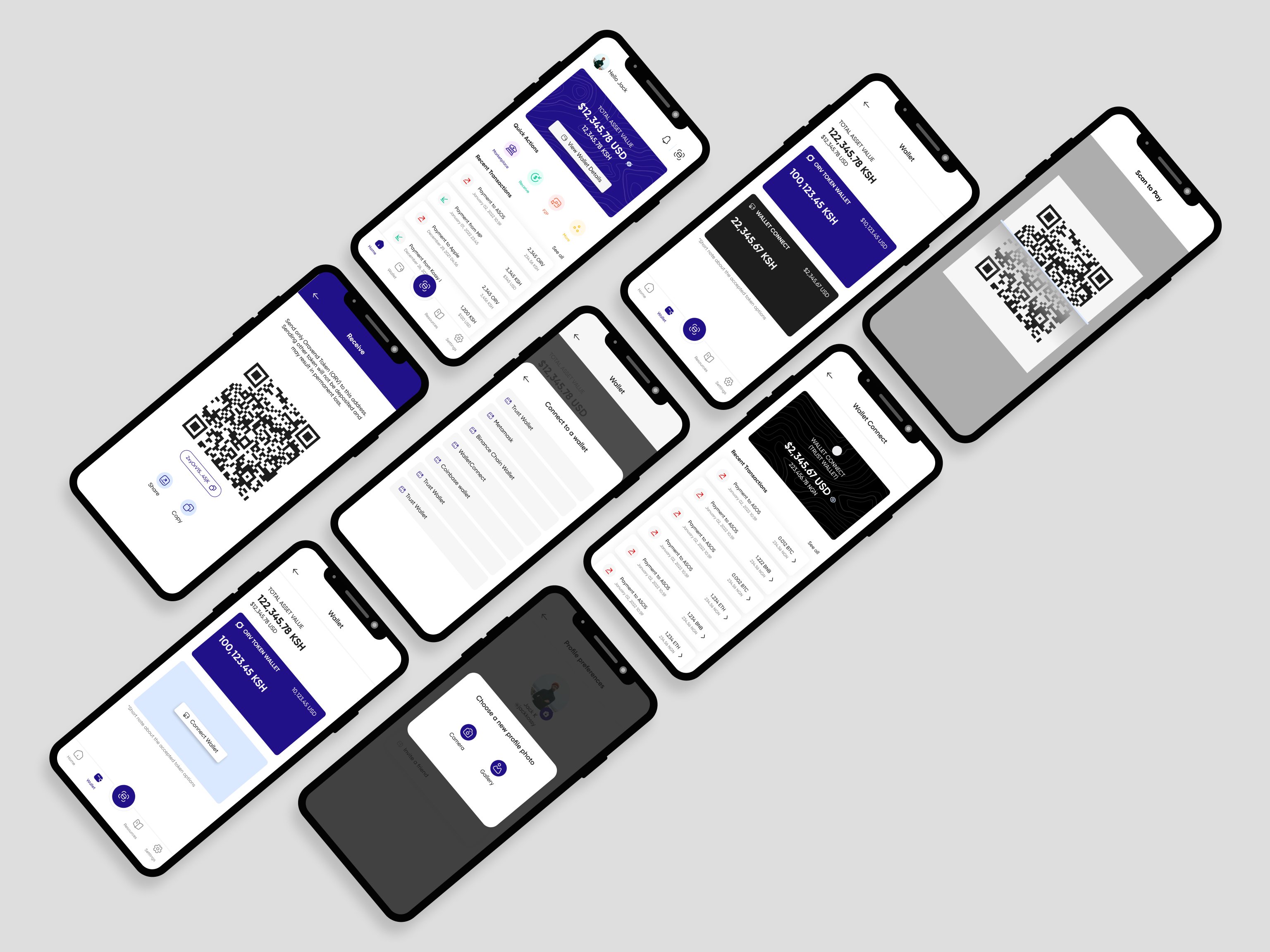
Oravend Screens
Oravend was a defining project in my growth as a UX designer. It taught me how critical clarity, trust, and reassurance are when designing financial products, especially in emerging technologies like blockchain.
I learned how to balance innovation with usability, and how thoughtful UX can be a key driver of adoption, not just aesthetics. This experience laid the foundation for my later work in marketplaces, payments, and complex systems.
For convenience, you can explore the prototype by clicking the link below to access the interactions.
View Figma Prototype